Northern Europe Yacht Charter
About Northern Europe
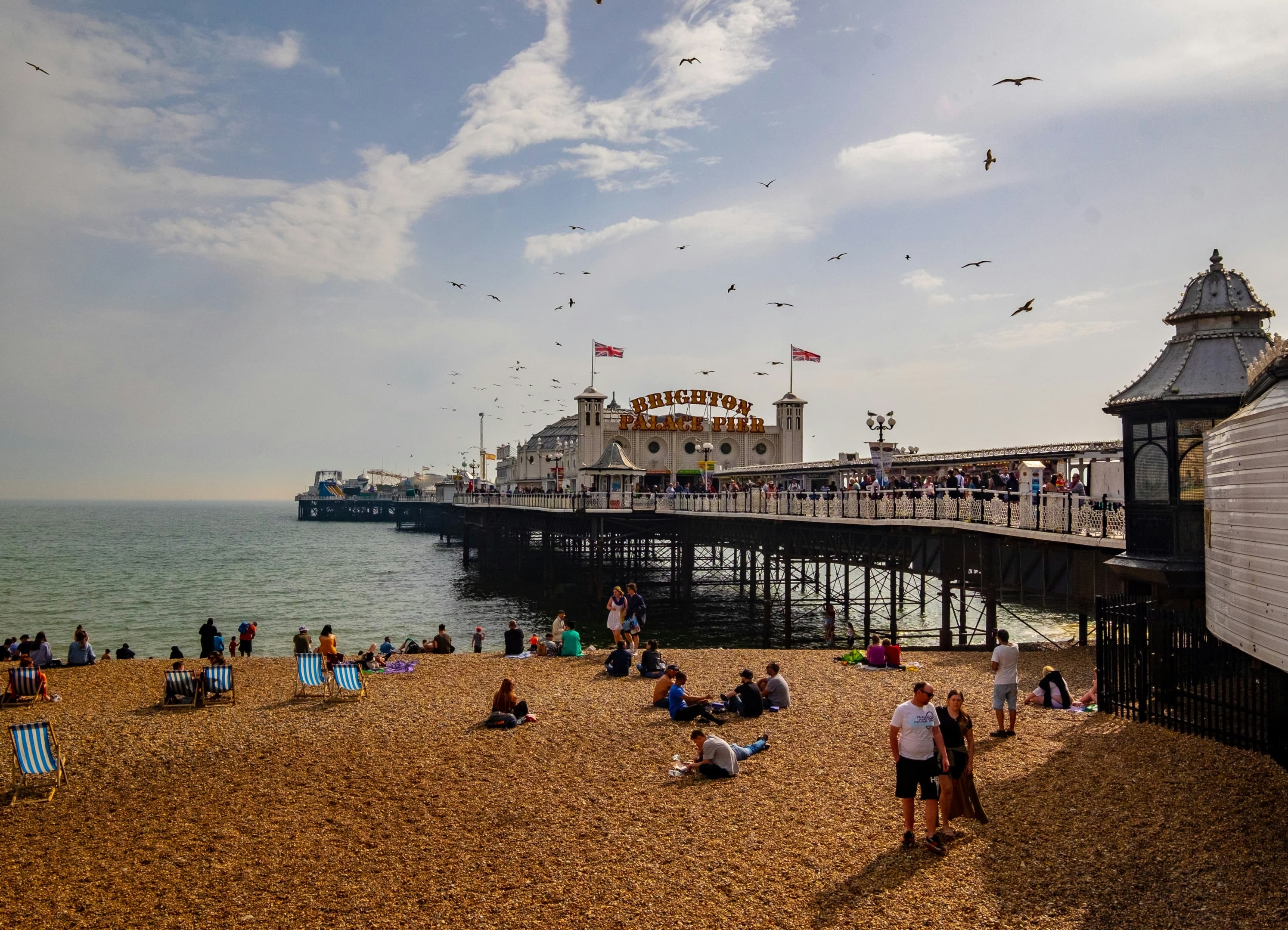
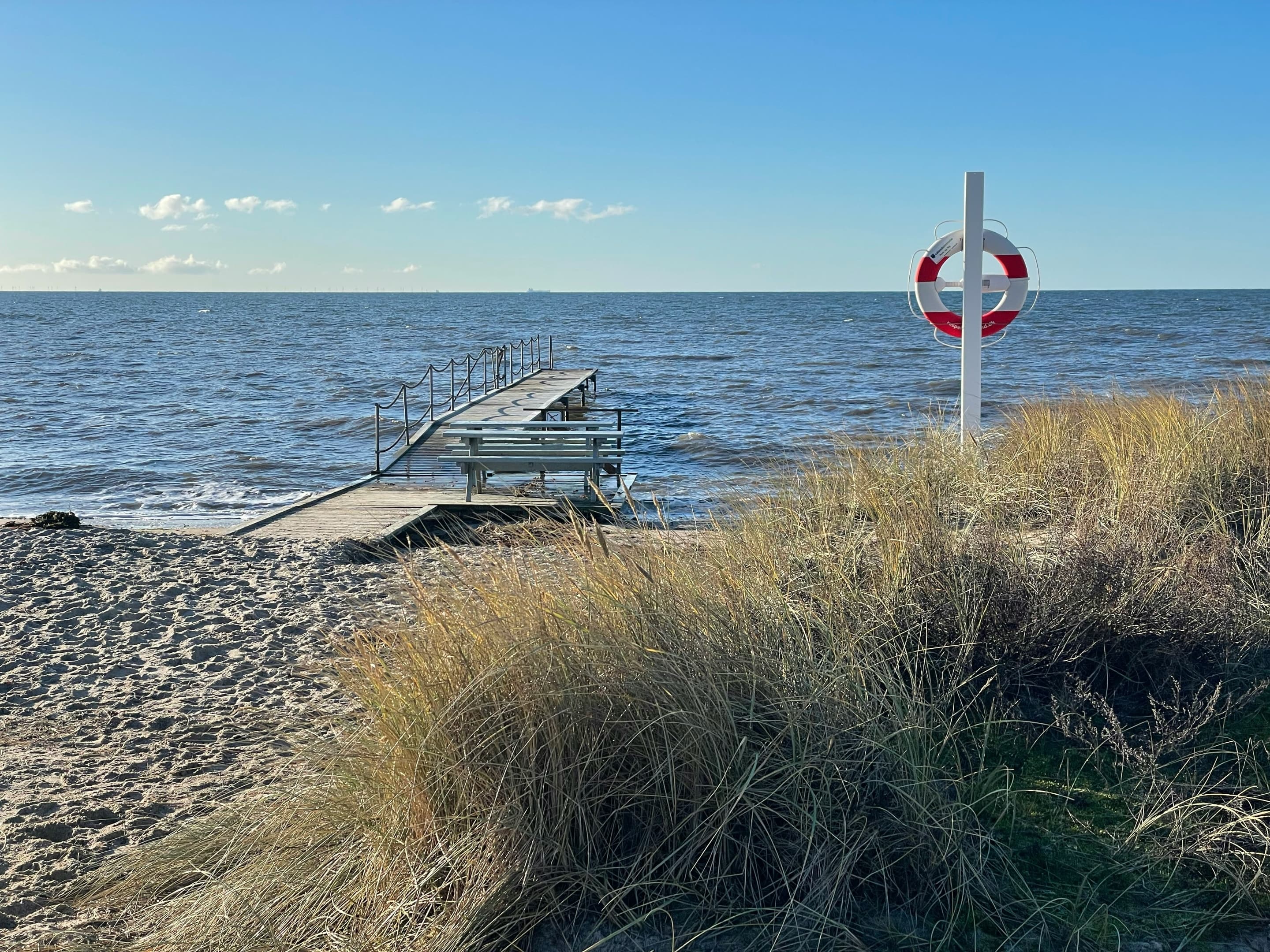
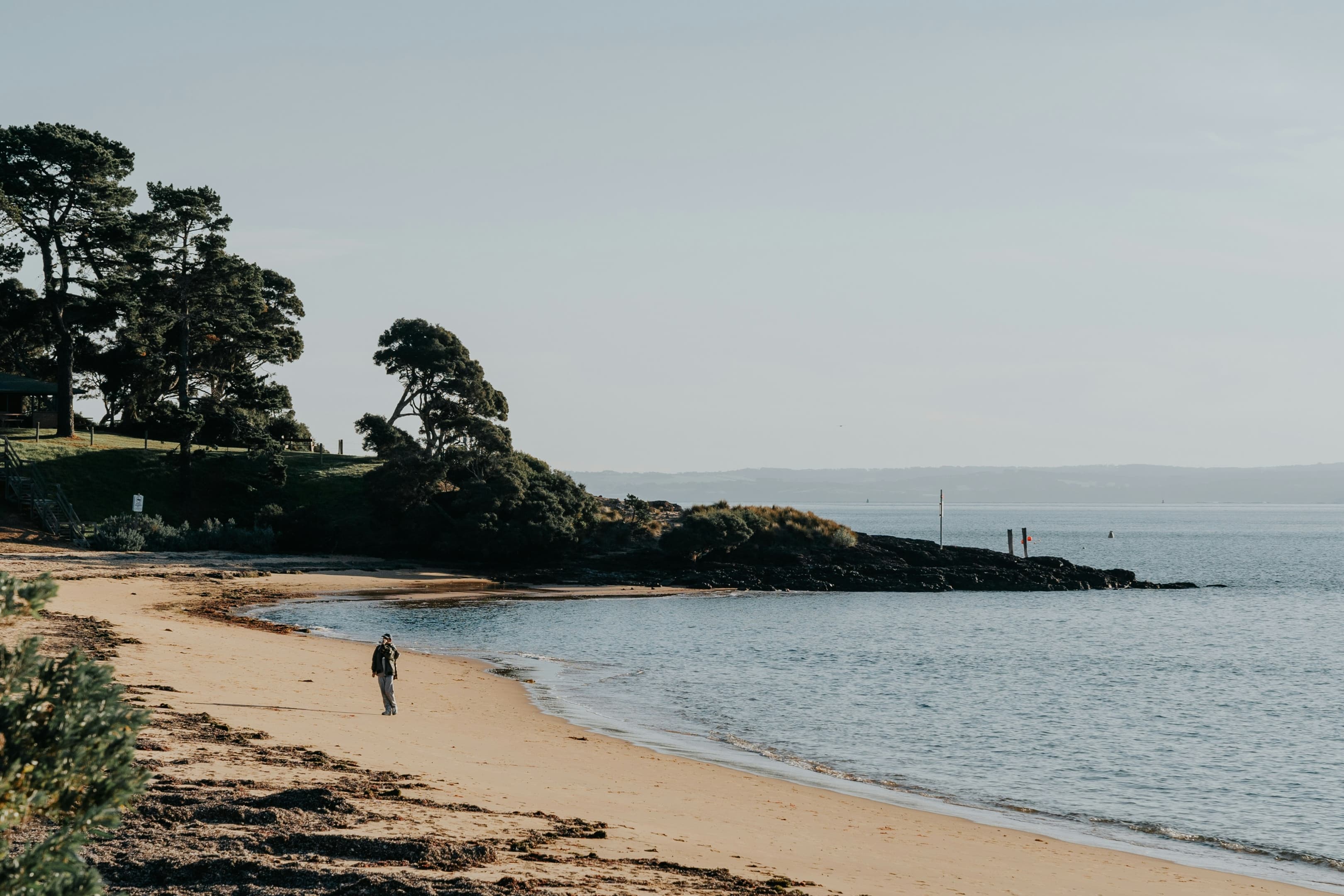
The Stockholm archipelago has roughly 30,000 islands. Most of them have nobody on them, and most of those that do have a single house. The Swedish coast is the easier half of a Northern European charter, with protected water, short crossings, and a calendar built around midsummer, when there is daylight from around 3 in the morning to 11 at night. Stockholm is the natural pickup port, and a week is enough to take in the Sandhamn, Vaxholm and Möja islands, plus the open-water passage out to Gotland, the limestone island in the middle of the Baltic.
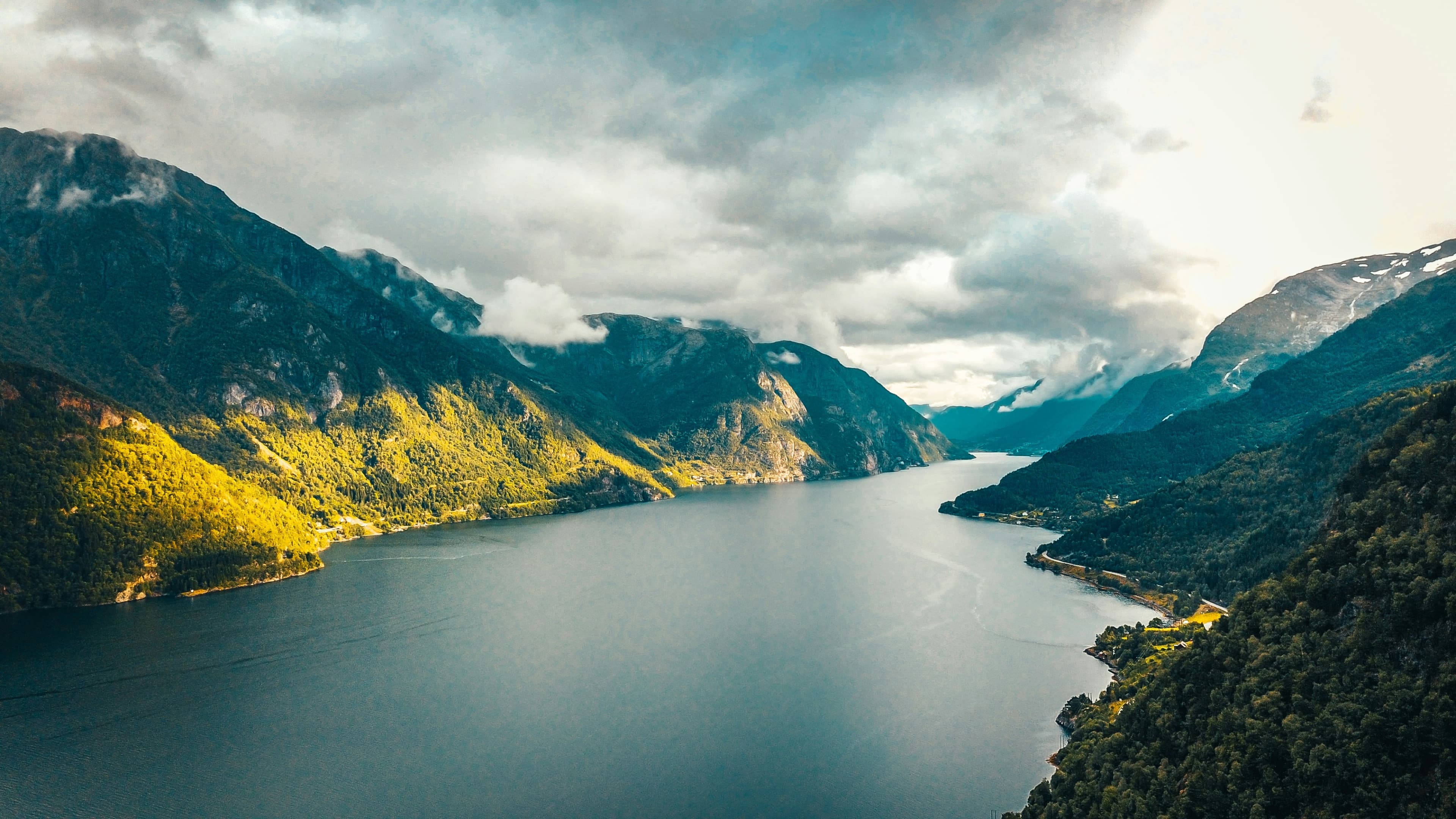
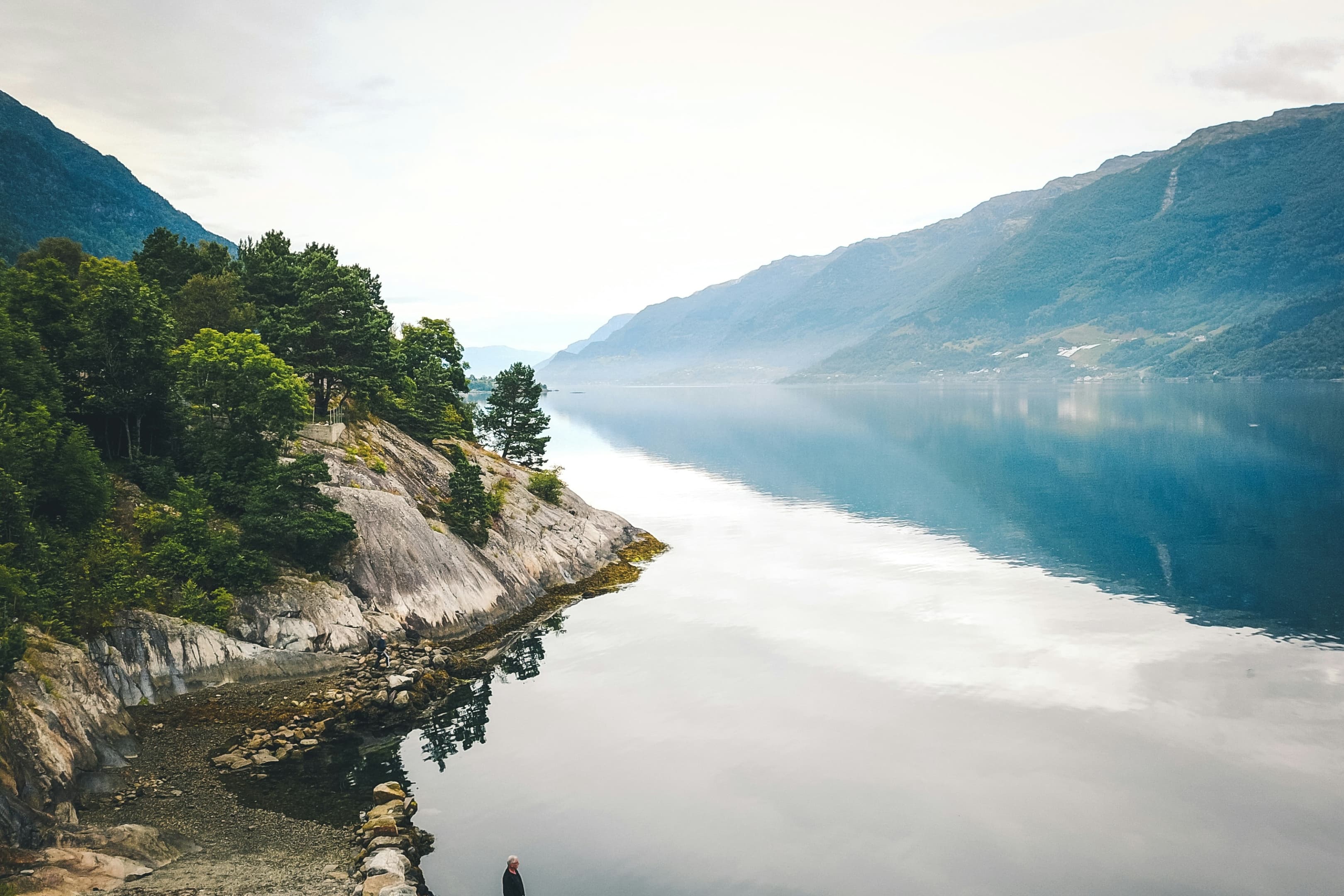
Norway is the dramatic half. The West Norwegian Fjords were UNESCO-listed in 2005, with Geirangerfjord and Nærøyfjord the two headline ones; Geirangerfjord has been ranked by the National Geographic Society as the best natural-heritage site in the world. The fjords are 1,400-metre crystalline rock walls dropping straight into water 500 metres deep, with waterfalls running down them all summer. The route to do them properly starts in Bergen, the historic Hanseatic harbour city on the west coast, and runs north for a week or two depending on the weather window.
The Northern European charter season is short and intense, June to early September, with the daylight long and the temperatures comfortable for shore excursions. The fleet is smaller and more specialised than in the Mediterranean, mostly explorer yachts and ice-class motor yachts that can also handle the colder cruising grounds further north (Svalbard, Greenland). A Northern European charter is the alternative for clients who have done the Mediterranean repeatedly and want a wilder, quieter version of summer at sea.
Highlights
Destination Info
Interested in this destination?
Get in touch and we'll help you plan the perfect charter.
Where to go
The Stockholm archipelago
Roughly 30,000 islands and skerries fanning out from the city into the Baltic. The water is protected and the crossings are short, which makes it the easy half of a northern charter. Sandhamn, Vaxholm and Moeja are the classic stops, with quiet anchorages between them and the long summer light stretching the days.
Gotland
The limestone island in the middle of the Baltic, an open-water passage out from the Stockholm archipelago. The walled Hanseatic town of Visby is UNESCO-listed, and the coast has sea stacks and long beaches. It is the natural turning point of a Swedish week.
Bergen and the West Norwegian Fjords
Bergen, the old Hanseatic harbour city, is the gateway to the Norwegian side. From here the route runs into the West Norwegian Fjords, Geirangerfjord and Naeroyfjord among them, with crystalline walls rising 1,400 metres straight out of deep water and waterfalls all summer. This is the dramatic half of the region.
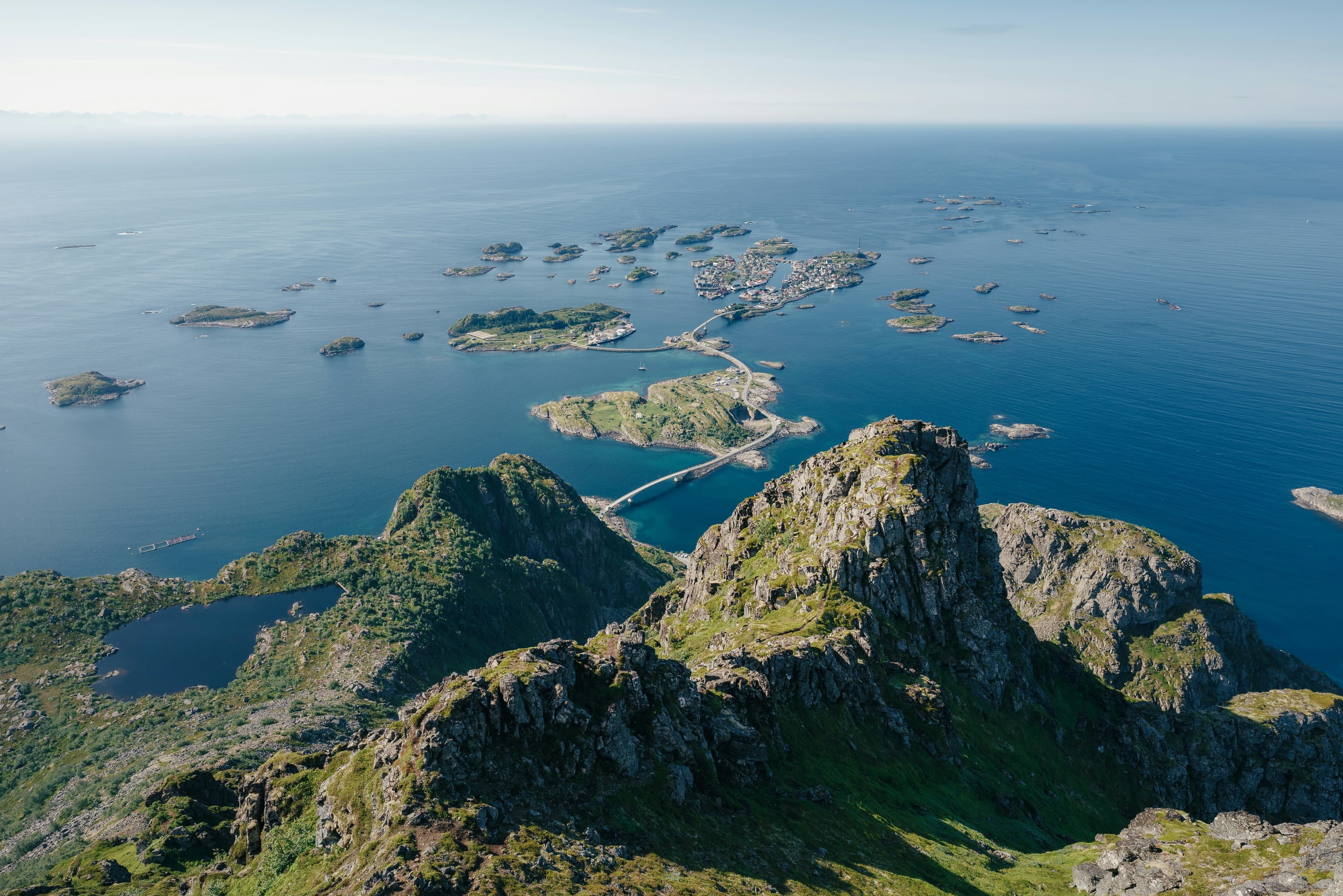
North to Lofoten
For a longer voyage the route carries on north up the Norwegian coast to the Lofoten Islands, a wall of sharp peaks rising straight from the sea above white-sand beaches and fishing villages. This is further and wilder, a second week rather than a first, and it suits an explorer yacht.
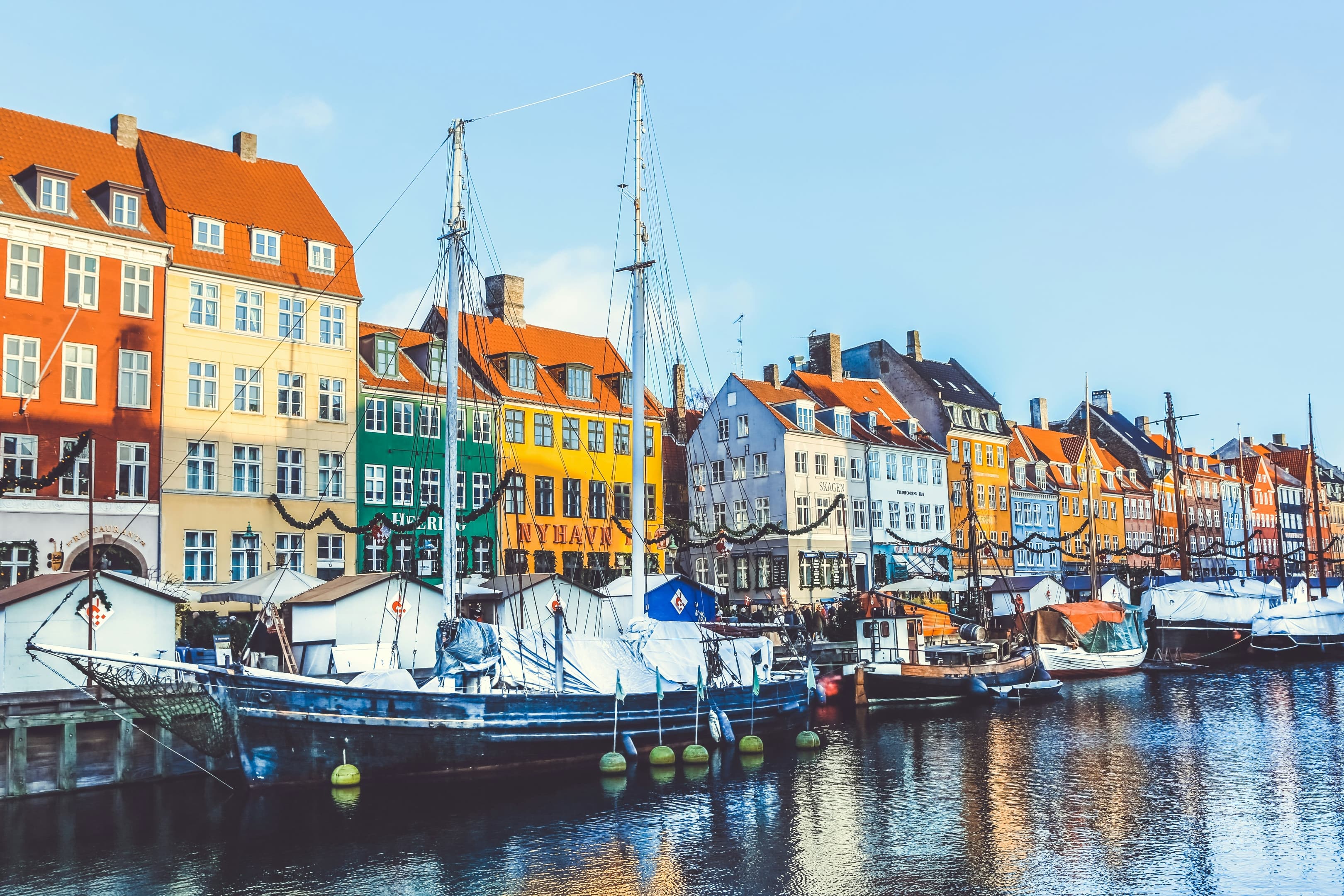
Denmark and the Baltic capitals
Copenhagen and the harbour cities of the southern Baltic, from Danish sophistication to the fortress island of Suomenlinna off Helsinki. These are secondary stops on a longer itinerary that links the Swedish and Norwegian grounds, rather than a week on their own.
What it costs
- From
- From about EUR 35,000 / week for a crewed yacht
- Included
- The weekly fee covers the yacht and all its equipment, including the tenders and water toys, the full crew, and the yacht's insurance.
- Extras
- Your running costs are paid separately, through an advance provisioning allowance (APA): a sum of around 30 to 35 percent of the fee that you pay before the charter. The captain uses it to pay for fuel, berthing and harbour dues, provisioning, and the food and drink for your party, then gives you a full account at the end and refunds whatever is left. Local taxes and charges and a customary crew gratuity are on top of the fee. Norway sits outside the EU while Sweden, Denmark and Finland do not, so the tax treatment depends on the route, which we set out clearly before you book.
Prices rise with the size of the yacht and the time of year.
We explain the money side properly: What is included under MYBA, How the APA works, VAT and charter tax, and What to tip the crew.
Before you go
When to go
The Northern European season is short and intense, June to early September. It is built around midsummer, when the daylight runs from before dawn to near midnight and the temperatures are comfortable for going ashore. July and August are the settled heart of it; June and early September are quieter and cooler. Outside these months the light is short and the weather turns, so the ground closes for the winter.
Getting there
The two halves of the region have their own gateways. Stockholm is the pickup for the Swedish and Baltic side, with the archipelago starting almost from the city quay. Bergen, on the west coast, is the gateway to the Norwegian fjords, an easy flight from the European hubs. Which one you start from depends on the route, and we set the whole logistics out before you book.
Anchoring and the cruising grounds
The Swedish archipelago is sheltered cruising with short hops and thousands of anchorages to choose from. The Norwegian fjords are deeper and more exposed, with a real weather window to respect, so the pace is set by the forecast and by a captain who knows the coast. Some of the fjord and national-park waters have their own rules, which a good crew arranges in advance.
Choosing the yacht
The sheltered Baltic suits catamarans and crewed sailing yachts, with the space and the light for a long summer day. Norway and the far north are the territory of explorer and ice-class motor yachts that carry the range and the comfort for a colder, wilder coast. If you are weighing crewed against bareboat, our guide on bareboat versus crewed sets out the difference. Browse the current fleet on our yachts page.
Explore Northern Europe
Interactive map view of Northern Europe • Click and drag to explore • Open in full screen
